Bubbly Comic: A Playful Font with Practical Uses (And How to Use It Right)
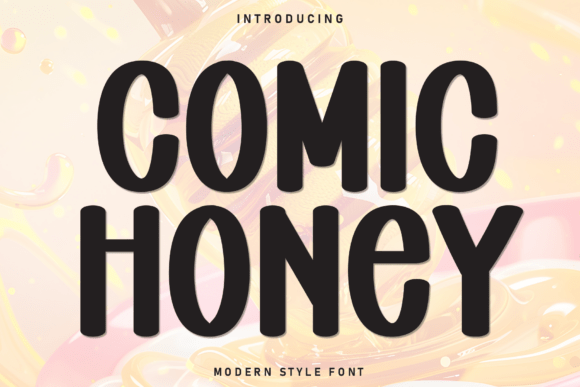
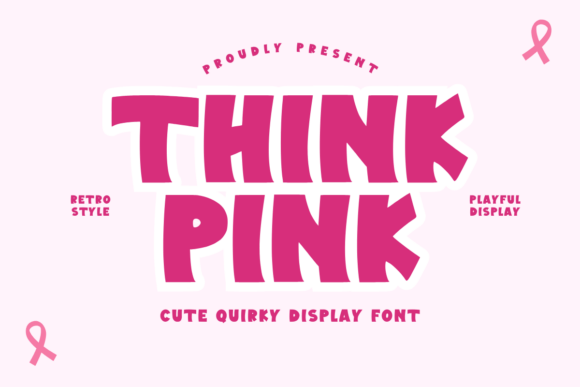
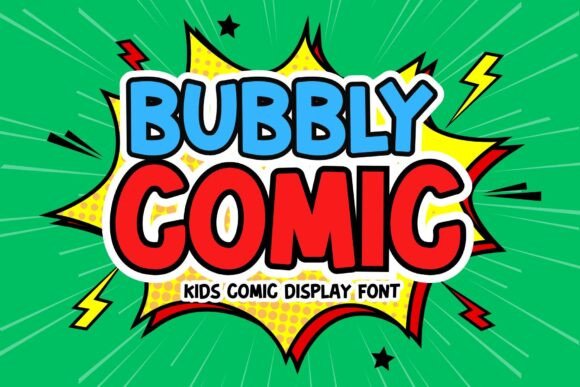
When you're designing for kids, parties, or anything that needs a cheerful visual punch, Bubbly Comic can be a fantastic choice. This bold, playful display font captures the energetic spirit of classic comic books, with thick strokes, rounded edges, and an overall sense of fun. Whether you're creating classroom posters, t-shirts, or digital stories, it brings a lively personality that resonates with both children and adults.
What Makes Bubbly Comic Stand Out?
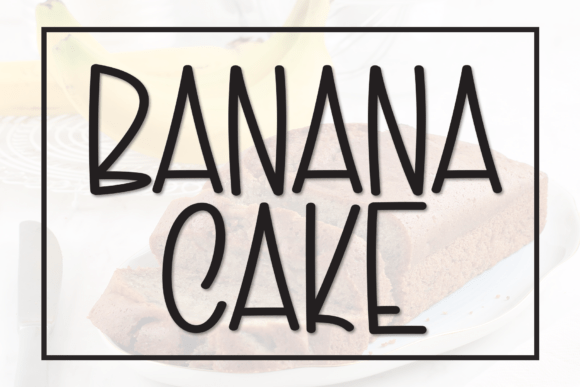
Unlike more formal or minimalist fonts, Bubbly Comic leans into exaggeration and charm. Its bubbly curves and bold outlines make it instantly recognizable, and its design is optimized for legibility even at a glance. It’s especially popular among educators, marketers, and DIY creators who want to inject a sense of joy into their projects without sacrificing clarity.
However, like any creative tool, Bubbly Comic works best when used thoughtfully. Many people overlook key considerations that can impact how well it performs in different contexts.
Mistake #1: Using It for Long Blocks of Text
One of the most common misuses of Bubbly Comic is applying it to body copy or extended paragraphs. Its bold, stylized design makes it hard to read in large volumes. This can lead to eye strain and reduced comprehension, especially for younger readers or those with visual sensitivities.
Better approach: Reserve Bubbly Comic for headlines, titles, and short captions. Pair it with a clean, readable sans-serif font for body text to maintain readability while keeping the playful tone.
Mistake #2: Overlooking Licensing Details
Many users download fonts from unverified sources or assume that a free version of Bubbly Comic can be used for any purpose. This can lead to legal issues, especially if the font is used in commercial projects without the proper license.
Better approach: Always check the licensing terms before using Bubbly Comic. If you're using it for a logo, product, or marketing material, purchase a commercial-use license from a reputable provider. This protects you legally and supports the font designers.
Mistake #3: Not Checking Glyph Coverage
Some users are surprised to find that Bubbly Comic doesn’t include certain special characters, accents, or alternate glyphs they expect. This becomes a problem when designing for multilingual audiences or when specific symbols are needed.
Better approach: Preview the font’s character set before committing. Make sure it includes the letters, numbers, and symbols you need, especially if your project involves non-English text or special formatting.
How to Choose the Right Version of Bubbly Comic
There are often multiple versions or variations of display fonts like Bubbly Comic, including bold, outline, or shadowed styles. While these can be fun to play with, they may not all be suitable for every application.
- Check for consistency: Ensure all variations render clearly across different screen sizes and print formats.
- Test spacing: Some display fonts have inconsistent kerning or letter spacing that looks off in certain layouts.
- Consider file size: Some font packages include unnecessary extras that can bloat your design files or website load times.
Mistake #4: Ignoring Context and Audience
Even though Bubbly Comic is fun and vibrant, it may not be appropriate for all audiences or messages. For example, using it in a serious educational context or a professional report could undermine the tone and credibility of the content.
Better approach: Match the font to the mood and purpose of your project. If you're designing a birthday invitation or a children’s book, Bubbly Comic is perfect. But for formal documents or adult-oriented branding, you might want a more neutral font choice.
Practical Tips for Using Bubbly Comic Effectively
- Pair it wisely: Combine Bubbly Comic with a simple font to balance its playful nature. Sans-serif fonts like Arial or Helvetica work well for contrast.
- Use it for visual hierarchy: Let Bubbly Comic shine as a headline or call-to-action button to draw attention without overwhelming the layout.
- Preview in context: Always test how the font looks in your final format—whether it's printed, on a website, or in a video—to ensure readability and visual appeal.
- Avoid over-decorating: Since the font itself is eye-catching, keep surrounding graphics and effects minimal to avoid visual clutter.
Mistake #5: Assuming It’s Universally Accessible
Fonts can behave differently across platforms and devices. Some versions of Bubbly Comic may not render properly on mobile devices or older browsers, especially if embedded in a website without proper web-safe fallbacks.
Better approach: When using Bubbly Comic on a website, convert it to an image or use a web font service that supports it. Always include a readable fallback font in your CSS to ensure accessibility and consistency.
Final Thoughts: Make Bubbly Comic Work for You
Bubbly Comic is a powerful design tool when used correctly. Its bold, cheerful design can elevate children’s materials, party themes, and creative projects. But like any font, it has limitations and best-use scenarios that should be respected to avoid design missteps.
Before downloading or purchasing, take time to preview the font in your intended context, verify licensing, and consider how it supports your message. With a little planning, you’ll be able to harness its playful energy without compromising quality or clarity.