Choldem Rosther: A Vintage Serif Font for Timeless Design
Typography plays a crucial role in shaping how audiences perceive visual content. Among the many typefaces available, Choldem Rosther stands out as a vintage serif font that bridges the gap between historical elegance and modern usability. Designed with a focus on authenticity and readability, it brings a refined aesthetic to a wide range of design applications.
What Makes Choldem Rosther Unique?
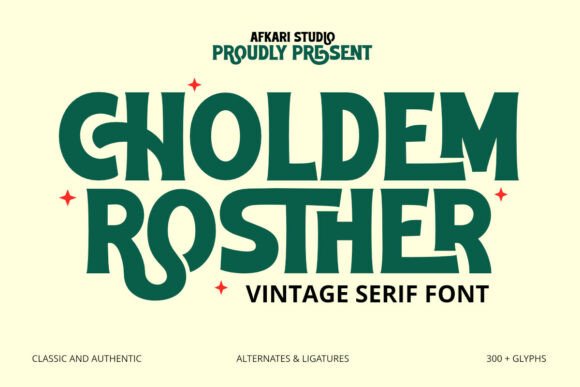
At its core, Choldem Rosther is inspired by the typography of early editorial prints, traditional signage, and heritage branding. This influence is evident in its carefully shaped serifs, balanced contrast, and graceful proportions. Unlike many modern fonts that lean toward minimalism, Choldem Rosther embraces the ornamental qualities of classic serif typefaces while ensuring clarity and legibility in contemporary settings.
Its letterforms are structured to convey strength and sophistication without appearing overly ornate. The font maintains a nostalgic charm that appeals to designers looking to evoke a sense of history in their work. This makes it particularly effective in branding, packaging, and editorial design where a timeless quality is desired.
How Choldem Rosther Compares to Similar Fonts
When evaluating serif fonts, especially those with vintage or heritage characteristics, Choldem Rosther sits comfortably between traditional and transitional styles. Compared to more formal serif fonts like Times New Roman or Garamond, it offers a slightly more decorative presence without sacrificing readability. It also distinguishes itself from slab serifs like Rockwell or Courier, which tend to be bolder and more utilitarian in appearance.
Designers often look for a balance between character and usability. In this context, Choldem Rosther strikes a middle ground—offering enough visual interest to stand out while maintaining the clarity needed for extended reading or small-scale applications like labels and packaging.
Strengths and Practical Applications
One of the primary strengths of Choldem Rosther lies in its versatility. It performs well in both print and digital formats, making it suitable for a variety of design contexts. Here are some of its ideal use cases:
- Branding and Logos: The font’s elegant yet distinctive character makes it a strong choice for brand identities that aim to convey tradition and trustworthiness.
- Book Covers and Editorial Layouts: Its readability and classic appeal help create a sense of timelessness, especially in literary or historical publications.
- Packaging and Labels: The font’s clarity at smaller sizes ensures that product information remains legible while still contributing to a refined visual identity.
- Posters and Promotional Materials: Whether for cultural events or artisanal products, Choldem Rosther brings a sense of craftsmanship and authenticity.
Tradeoffs and Limitations
While Choldem Rosther offers many advantages, it may not be the best fit for every design project. Its vintage characteristics, while appealing in the right context, may not align with modern minimalist aesthetics. In fast-paced digital environments where clean, neutral typography is preferred, this font could feel out of place unless used selectively.
Additionally, because of its decorative nature, it’s best used in headlines, subheadings, or short blocks of text rather than long body paragraphs. While it remains readable, overuse in extended content could lead to visual fatigue.
When to Choose Choldem Rosther
If your design calls for a touch of historical depth and a sense of refined craftsmanship, Choldem Rosther is an excellent option. It works particularly well in the following scenarios:
- Heritage Branding: Businesses with a long history or those aiming to evoke tradition can benefit from the font’s timeless appeal.
- Editorial Design: Magazines, book covers, and cultural publications that seek a classic aesthetic will find this font to be a strong visual asset.
- Vintage-Inspired Packaging: Whether for wine labels, artisanal food products, or boutique packaging, Choldem Rosther enhances the perception of quality and authenticity.
- Event and Cultural Posters: From theater promotions to historical exhibitions, this font supports a design language rooted in elegance and storytelling.
When to Consider Alternatives
Despite its strengths, there are situations where Choldem Rosther may not be the most appropriate choice. For instance:
- Modern Minimalist Brands: If your brand identity leans toward sleek, contemporary design, a simpler serif or sans-serif font might be more suitable.
- Extensive Body Text: While readable, Choldem Rosther may not be the best for long-form digital or print content where neutrality and ease of reading are top priorities.
- High-Contrast or Dynamic Layouts: In cases where multiple fonts are used for contrast, Choldem Rosther may not pair well with overly decorative or highly stylized typefaces.
Making an Informed Decision
Choosing the right font is more than a matter of personal preference—it’s about aligning typographic choices with the message, audience, and medium. Choldem Rosther offers a compelling blend of elegance and functionality, making it a valuable asset for designers who want to evoke a sense of history without compromising readability.
Before committing to this font, consider testing it in various contexts. Try it in both print and digital mockups, assess how it performs at different sizes, and evaluate its compatibility with other design elements. Comparing it with similar serif fonts can also help highlight its unique qualities and limitations.
In the end, Choldem Rosther is more than just a typeface—it’s a design tool that brings character, sophistication, and lasting appeal to the right project. Whether you’re building a heritage brand or adding a touch of vintage flair to a contemporary layout, it’s worth considering as part of your typographic toolkit.