Easy Pixel: A Nostalgic Font for Modern Digital Projects
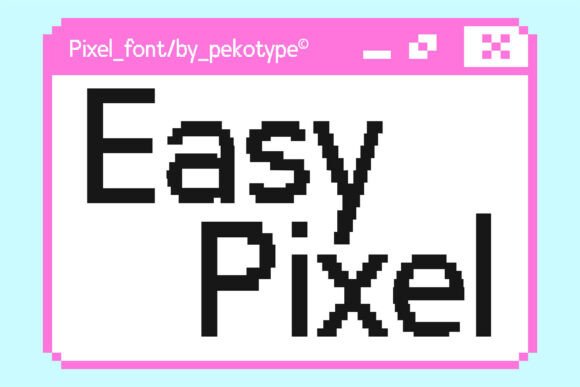
Easy Pixel is a clean, pixel-style font inspired by the aesthetics of retro video games and classic computer interfaces. With its blocky, sharply defined characters, it evokes a sense of nostalgia while remaining functional for modern design applications. This font is particularly popular among designers working on 8-bit artwork, game interfaces, pixelated branding, and other tech-oriented visual projects.
What Makes Easy Pixel Unique?
Unlike modern sans-serif or serif fonts designed for readability and elegance, Easy Pixel embraces the limitations of early digital displays. Each character is built on a grid-like structure, mimicking the low-resolution screens of the past. The font's pixelated edges and uniform block shapes give it a distinct visual identity that stands out in the right context.
Its design is intentionally minimal, avoiding complex curves or decorative elements. This simplicity makes it ideal for situations where a digital or retro aesthetic is desired without sacrificing legibility at small sizes.
Why Consider Easy Pixel?
Designers and developers often turn to Easy Pixel when they want to convey a sense of nostalgia or create a visual link to early computing and gaming eras. It’s particularly effective in:
- Game titles and UI elements for indie or retro-style games
- Pixel art projects and 8-bit-inspired illustrations
- Branding for tech startups or digital products with a playful edge
- Website headers or promotional materials aiming for a vintage digital look
Its blocky structure ensures that text remains crisp even at small sizes, which is especially useful in pixel art or game design where screen resolution may be limited.
Benefits of Using Easy Pixel
There are several practical advantages to using Easy Pixel in the right context:
- High Readability at Small Sizes: Thanks to its sharp, blocky design, Easy Pixel remains legible even when scaled down.
- Consistent Visual Style: Each character aligns neatly on a grid, making it easy to integrate into pixel-based layouts.
- Quick Recognition: The font’s retro aesthetic makes it instantly recognizable, which can help reinforce branding or thematic consistency.
- Lightweight File Size: Pixel fonts like Easy Pixel often have smaller file sizes compared to more complex typefaces, which can help improve website performance.
Tradeoffs and Considerations
While Easy Pixel has many strengths, it’s not a one-size-fits-all solution. There are several limitations and tradeoffs to keep in mind before choosing this font:
- Limited Readability in Long Text: The pixelated style can make extended reading difficult, especially on high-resolution displays.
- Niche Aesthetic: Its retro design may not be appropriate for professional or formal contexts where a modern, clean font would be more suitable.
- Spacing and Kerning Constraints: Pixel fonts often have fixed spacing, which can limit typographic flexibility compared to vector-based fonts.
It’s important to consider the end use of the font before incorporating it into a project. If the goal is to evoke a specific visual style or enhance a game’s retro charm, Easy Pixel can be a strong choice. However, for general web or print use, alternative fonts may offer better versatility.
When Easy Pixel Is a Strong Fit
Easy Pixel shines in design environments where a pixelated, retro aesthetic is central to the project’s identity. Some ideal use cases include:
- Retro Game Design: Perfect for game titles, HUD elements, and menu interfaces in 8-bit or 16-bit styled games.
- Pixel Art Projects: Complements pixel-based illustrations and animations by maintaining a consistent visual language.
- Themed Branding: Can be used for logos or promotional materials that aim to evoke nostalgia or digital culture.
- Web and UI Elements: Works well in digital interfaces that adopt a vintage or minimalist tech aesthetic.
In these contexts, Easy Pixel not only enhances visual appeal but also contributes to a cohesive design narrative.
When Alternatives Might Be Better
Despite its charm, Easy Pixel may not be the best option for every design scenario. Consider alternative fonts when:
- Long-Form Text is Required: For blogs, articles, or documentation, a more readable font with refined kerning and spacing is preferable.
- Modern or Minimalist Design is Needed: If the goal is to achieve a sleek, contemporary look, sans-serif fonts like Arial, Helvetica, or Open Sans are more appropriate.
- Professional or Corporate Branding is Involved: Pixel fonts may not convey the level of sophistication expected in corporate environments.
Alternatives such as Press Start 2P, Atari Classic, or other pixel-style fonts may offer similar aesthetics with additional features like extended character sets or improved spacing.
Making the Right Choice
Selecting a font like Easy Pixel should be based on both aesthetic preference and practical application. Ask yourself the following questions to determine if it aligns with your project needs:
- Is a retro or pixelated aesthetic central to the design?
- Will the font be used for short text elements rather than long paragraphs?
- Does the project benefit from a nostalgic or playful tone?
- Is performance or file size a consideration?
If the answer to most of these questions is “yes,” then Easy Pixel could be an excellent choice. However, if readability, professionalism, or adaptability across different platforms is a priority, exploring other font options is advisable.
Conclusion
Easy Pixel offers a clean, pixelated design that bridges the gap between nostalgia and modern usability. Its sharp, blocky characters make it a standout option for retro game design, pixel art, and themed branding. While it brings distinct visual appeal and technical efficiency, it also comes with limitations that should be carefully weighed against the project’s goals.
By evaluating the design context, intended use, and audience expectations, designers can determine whether Easy Pixel is the right fit or if alternative fonts might serve the project better. As with any design choice, the key is to ensure that the font supports the overall message and enhances the user experience.