Hiphop Font: A Laid-Back Typeface for Playful Design Projects
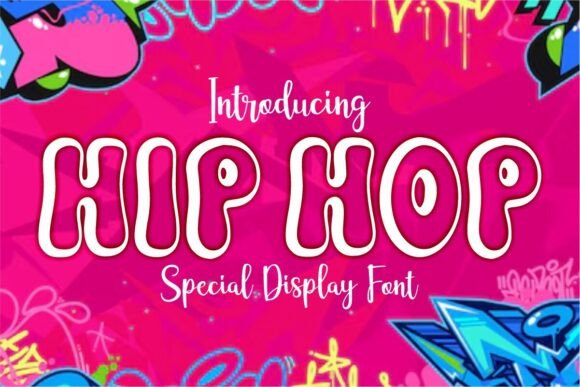
When it comes to choosing the right typeface for a design project, tone and personality matter just as much as readability and structure. Hiphop is a display font that stands out for its clean lines, dance-inspired rhythm, and relaxed aesthetic. It’s especially well-suited for creative projects that aim to convey a sense of fun, energy, and approachability. Whether you're designing event flyers, summer posters, or branding materials for a casual brand, Hiphop offers a distinct visual voice that can elevate your message without overpowering it.
What Makes Hiphop Unique?
Hiphop isn’t just a name—it’s a reflection of the font’s character. Its design draws inspiration from dance culture and urban expression, translating movement and rhythm into typographic form. Unlike more rigid or formal fonts, Hiphop features a soft, flowing structure that gives it a sense of motion even when it’s static. The font maintains legibility while embracing a stylized, informal look that’s ideal for short bursts of text like headlines, logos, and promotional content.
One of Hiphop’s defining characteristics is its balance between playfulness and professionalism. It avoids the overly cartoonish or exaggerated traits that can make some display fonts feel out of place in more refined settings. Instead, it offers a clean, modern twist that feels appropriate across a range of creative applications—from digital marketing to print media.
How Hiphop Fits Into the Display Font Landscape
Display fonts come in many flavors: bold, minimalist, retro, futuristic, and everything in between. Within this category, Hiphop occupies a niche that blends casual elegance with a touch of whimsy. It’s not the kind of font you’d use for long-form body text, but it excels in environments where visual impact and emotional tone are key.
Compared to other display fonts, Hiphop sits comfortably between the extremes of overly stylized and overly restrained. Fonts that lean heavily into script or graffiti aesthetics can be difficult to integrate into cohesive layouts, especially when paired with more conventional typefaces. Hiphop avoids this by maintaining a level of typographic neutrality that allows it to work well with complementary fonts while still standing out on its own.
Strengths and Tradeoffs of Using Hiphop
Like any design tool, Hiphop has its strengths and limitations. Understanding both helps ensure it’s used effectively. One of its strongest attributes is its ability to convey a relaxed, upbeat tone without sacrificing clarity. This makes it particularly effective in branding and marketing contexts where approachability and friendliness are desired traits.
However, Hiphop’s casual nature also means it may not be suitable for more formal or technical applications. For instance, using it in legal documents, academic papers, or corporate reports would likely undermine the seriousness of the content. Similarly, while Hiphop works well in headlines and short text blocks, it’s not optimized for extended reading due to its decorative qualities.
- Best for: Summer promotions, music event flyers, casual brand identities, social media graphics.
- Less ideal for: Technical documentation, formal correspondence, long-form editorial content.
When to Choose Hiphop and When to Consider Alternatives
The decision to use Hiphop should hinge on both the tone of the message and the medium through which it’s being delivered. If your goal is to evoke a sense of fun, movement, or youthful energy, Hiphop can be a strong contender. It pairs well with bright color schemes and dynamic layouts, making it a go-to choice for seasonal campaigns, entertainment branding, and lifestyle-oriented visuals.
That said, if your project leans toward minimalism, sophistication, or requires a more neutral typographic presence, there are other display fonts and sans-serif options that may serve you better. Some alternatives offer a cleaner, more restrained aesthetic that works across both digital and print platforms without the stylistic emphasis that Hiphop brings to the table.
Consider the following when evaluating Hiphop:
- Message tone: Is your content playful, energetic, or informal?
- Target audience: Are you speaking to a younger demographic or a more mature, formal group?
- Usage context: Will the font be used for headlines only, or will it need to support longer text blocks?
- Visual harmony: Does Hiphop complement the other design elements, or does it clash with the overall aesthetic?
Practical Applications and Real-World Examples
One of the most effective ways to understand Hiphop’s value is by looking at how it’s used in real-world scenarios. For instance, a local music festival promoting a summer lineup might use Hiphop for its event posters to reflect the energetic, carefree vibe of the season. Similarly, a boutique coffee shop launching a weekend brunch special could incorporate the font into its social media banners to create a relaxed and inviting atmosphere.
In contrast, a financial services firm launching a new investment platform would likely opt for a more neutral, professional font that conveys trust and stability. In that context, Hiphop’s playful energy would be out of step with the brand’s messaging, even if it were visually appealing.
Making an Informed Choice
Ultimately, the decision to use Hiphop—or any display font—comes down to alignment with your project’s goals and audience. It’s not about whether Hiphop is “better” than other fonts, but rather whether it fits the specific needs of your design. When used appropriately, it can bring a refreshing sense of movement and joy to your visuals. When misapplied, however, it risks appearing out of place or unprofessional.
Designers and marketers should consider testing Hiphop alongside other typefaces in mockups or prototypes to see how it performs in context. This kind of comparative evaluation helps ensure that your typographic choices support—not distract from—the message you’re trying to deliver.