Janegesi: A Japan-Inspired Font for Elegant, Thoughtful Design
What Makes Janegesi Unique
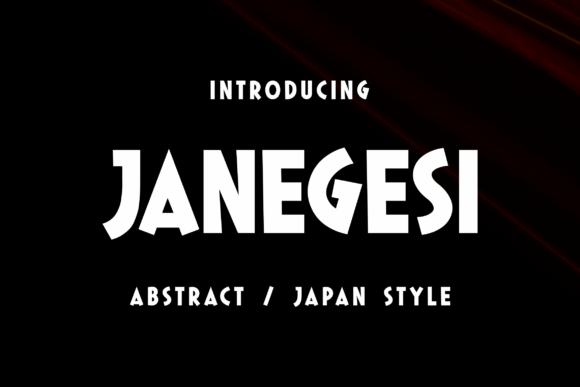
Janegesi isn’t just another font—it’s a design tool with a soul. Drawing inspiration from traditional Japanese aesthetics, it blends minimalist elegance with a touch of abstract expression. The result is a typeface that feels both modern and timeless, perfect for creatives who want to add depth and cultural nuance to their work.
Its character shapes reflect a balance between structure and fluidity, much like the principles of Zen. This makes Janegesi ideal for projects that aim to evoke calm, clarity, and sophistication. Whether you're designing a logo, a poster, or a digital interface, Janegesi brings a quiet strength that can elevate your visual storytelling.
Where and When to Use Janegesi
One of the standout features of Janegesi is its versatility. It’s not limited to a single design niche or industry. Instead, it adapts beautifully to a wide range of applications, especially where a touch of refinement and cultural resonance is desired.
- Branding and Logos: Businesses looking to convey a sense of calm, balance, or innovation often turn to Japanese-inspired design elements. Janegesi works well for wellness brands, boutique studios, or artisanal product lines.
- Print and Packaging: From tea boxes to artisan coffee labels, Janegesi adds a clean, elegant touch that appeals to conscious consumers who value aesthetics and meaning.
- Editorial and Publishing: If you're creating a lifestyle magazine, a poetry chapbook, or even a mindfulness journal, this font helps set the tone—thoughtful, intentional, and visually engaging.
- Web and UI Design: On digital platforms, Janegesi stands out without overwhelming the user. It’s especially effective in headers, landing pages, or app interfaces that aim to feel intuitive and serene.
Real-World Examples of Janegesi in Action
Let’s take a look at how different users might incorporate Janegesi into their everyday projects:
1. A Freelance Designer Creating a Brand Identity
Maria is building a new brand for a yoga studio. She wants the logo and supporting materials to feel grounded and peaceful. She chooses Janegesi for the studio’s name because it adds a subtle cultural touch without being overtly traditional. The font’s clean lines and soft curves complement the brand’s earthy color palette and nature-themed visuals.
2. A Blogger Curating a Mindfulness Website
David runs a blog focused on minimalism and mental clarity. He uses Janegesi for section headers and pull quotes across his site. Readers have commented that the font gives the site a “calm, curated” feel—exactly the atmosphere he was going for.
3. An Educator Designing Learning Materials
Lisa teaches a high school course on East Asian culture. She uses Janegesi in her presentation slides and handouts to reinforce the cultural context of the material. Students find the visuals more engaging, and the font subtly supports the learning experience without distracting from the content.
4. A Small Business Owner Launching a New Product Line
Tom is launching a line of handcrafted incense and wants his packaging to reflect the product’s quality and intentionality. He uses Janegesi on the labels and promotional materials. The font’s elegant abstraction gives the brand a modern yet timeless look that appeals to both younger and older audiences.
Who Benefits Most from Janegesi
While Janegesi is a niche font, it has broad appeal across several user groups:
- Designers: Especially those working in branding, editorial design, or UI/UX. It adds visual interest without sacrificing legibility.
- Marketers: For campaigns that need a calm, sophisticated tone—think wellness, sustainability, or lifestyle brands.
- Content Creators: Bloggers, YouTubers, and podcasters who want their visuals to feel cohesive and intentional.
- Small Business Owners: Those launching products or services that emphasize quality, mindfulness, or cultural appreciation.
- Hobbyists: Anyone designing invitations, personal journals, or handmade gifts can benefit from its expressive yet restrained style.
What to Consider Before Using Janegesi
Before diving in, it’s important to understand when and how to use Janegesi effectively:
- Legibility: While beautiful, Janegesi works best at larger sizes. It may not be the best choice for long blocks of body text or small captions.
- Context: Consider whether the font aligns with your brand’s values. It’s not a one-size-fits-all solution—it’s most effective when used intentionally.
- License: Check whether the font is free for commercial use or requires a purchase. Always respect licensing terms to avoid legal issues.
- Pairing: Janegesi pairs well with clean sans-serif fonts like Helvetica or Futura. Avoid pairing it with overly ornate fonts that may clash.
- Consistency: Use it sparingly to maintain visual hierarchy. Too much of any stylized font can overwhelm the design.
How Janegesi Enhances the Design Experience
Fonts do more than just display words—they shape the way people feel about a design. Janegesi brings a sense of balance and intentionality that’s rare in digital typography. Its influence is subtle but powerful, encouraging users to slow down and appreciate the details.
For creators, this means having a tool that supports not just visual appeal, but emotional resonance. Whether you're designing a meditation app, a wedding invitation, or a personal blog, Janegesi helps you communicate tone and intention without saying a word.
Final Thoughts
Janegesi is more than a font—it’s a bridge between tradition and modernity, simplicity and expression. It’s designed for those who care about how their words look and feel, not just what they say. Whether you're a professional designer or a weekend creative, this typeface can add a meaningful layer to your work.
So if you're looking for a font that brings a touch of Zen to your next project, give Janegesi a try. It might just be the design element that ties everything together.