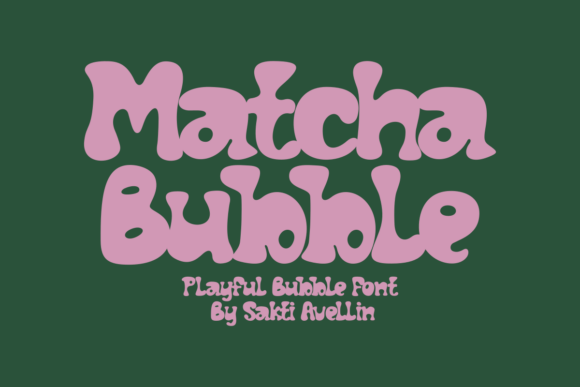
Matcha Bubble: A Bold Typeface for Creative and Brand Workflows
Matcha Bubble is more than just a typeface—it’s a design tool that brings together the playful energy of retro typography with the clean, approachable appeal of modern kawaii aesthetics. Its ultra-fat, curvy letterforms make it a standout choice for creators looking to add visual impact without sacrificing readability or charm. Whether you're working on branding, packaging, or digital content, integrating Matcha Bubble into your workflow can elevate the tone and professionalism of your final output.
How Matcha Bubble Fits Into the Design Process
Design workflows typically involve several stages: planning, asset creation, layout development, and final implementation. Matcha Bubble is most effective during the layout and asset creation phases, where visual tone and brand identity are solidified. Because of its strong personality, it's best used selectively—either as a headline font or for accent text rather than body copy.
Before jumping into design mockups, consider the emotional tone you want to convey. If your project calls for a mix of boldness and warmth, Matcha Bubble can be introduced early in the concept stage to guide color choices, layout spacing, and supporting font pairings.
Using Matcha Bubble in Branding and Visual Identity
Brand development is a multi-step process that includes defining a visual language, selecting color palettes, choosing typography, and creating templates. Matcha Bubble works especially well in brand systems that lean into a youthful, energetic, or nostalgic aesthetic. It pairs naturally with soft pastels or vibrant gradients, reinforcing a sense of fun and approachability.
When integrating Matcha Bubble into a brand identity, it’s important to maintain consistency. Use it across logos, packaging, and marketing materials to build visual recognition. However, always pair it with a clean, minimalist font—like a monoline sans-serif—to ensure legibility and balance.
Practical Tips for Branding with Matcha Bubble
- Use Matcha Bubble for logo headers or subheadings, not for long-form text.
- Pair with a geometric sans-serif like Montserrat or Poppins for contrast and readability.
- Limit its use to one or two key elements per layout to avoid visual overload.
- Test its legibility across different sizes and backgrounds before finalizing designs.
Matcha Bubble in Digital Content Creation
Digital creators—from YouTubers to Instagram influencers—rely heavily on visuals to capture attention. Thumbnails, overlays, and carousel posts benefit from bold, high-contrast fonts, and Matcha Bubble delivers that in spades. Its thick, rounded structure ensures that text remains readable even at small sizes or on mobile screens.
For platforms like TikTok or Instagram Stories, where attention spans are short, Matcha Bubble can be used to highlight key messages or calls to action. When layered over gradients or soft textures, it reinforces a modern yet nostalgic vibe that resonates with Gen Z and millennial audiences alike.
Integrating Matcha Bubble Into Your Social Media Workflow
- Download and install the font across your design tools (Canva, Photoshop, Illustrator, etc.).
- Create reusable templates with Matcha Bubble already placed for headlines or captions.
- Use it for video title cards and lower thirds to maintain consistency in your visual brand.
- Export and review on multiple devices to ensure clarity and readability.
Print and Merchandise Applications
One of the most versatile uses of Matcha Bubble is in print and merchandise design. From t-shirts to mugs, tote bags to posters, this font turns everyday items into statement pieces. Its soft curves and bold weight make it ideal for screen printing and embroidery, where clarity and simplicity are key.
When designing merchandise, consider how Matcha Bubble interacts with the product’s shape and material. For example, on a dark t-shirt, white or neon-colored text in Matcha Bubble will pop, while on a pastel tote bag, black or deep green lettering can create a soft contrast.
Workflow Tips for Print and Product Design
- Convert text to outlines before exporting for print to avoid font compatibility issues.
- Use vector-based software like Adobe Illustrator for scalable, high-quality output.
- Test print on a sample swatch to check how the font appears on fabric or textured surfaces.
- Keep spacing between letters consistent to maintain legibility, especially at smaller sizes.
Compatibility and Technical Considerations
While Matcha Bubble is visually striking, it does come with some technical considerations. Since it’s a decorative font, it may not be web-safe by default. To use it on websites, you’ll need to either embed it via a service like Google Fonts or Adobe Fonts, or convert the text into an image or SVG graphic.
For team projects or client work, ensure that all collaborators have access to the font or that files are exported with embedded fonts to maintain consistency across platforms. Additionally, always check for licensing restrictions before using Matcha Bubble in commercial projects.
Long-Term Use and Workflow Integration
Like any design asset, the long-term value of Matcha Bubble depends on how well it’s integrated into your overall creative system. Consider creating a style guide that includes font usage rules, color pairings, and layout examples to ensure that your team or clients use it effectively over time.
As design trends evolve, Matcha Bubble’s retro-modern aesthetic may shift in and out of popularity. However, its versatility and emotional appeal make it a font that can remain relevant across seasons, especially when used thoughtfully and consistently.
Final Thoughts on Using Matcha Bubble
Matcha Bubble is a powerful tool for creators who want to inject energy and warmth into their visual work. Whether you're designing a logo, creating social media assets, or producing merchandise, this font can become a signature element of your brand. By understanding how it fits into your workflow and how to pair and implement it effectively, you can ensure that your designs remain both professional and expressive.
As with any design choice, the key is balance. Matcha Bubble works best when it’s part of a broader visual strategy, complemented by supporting fonts, colors, and layouts that enhance its strengths. When used with intention, it can help your content stand out in a crowded digital and physical landscape.