Modern Retro Font: A Balanced Look at Its Design and Practical Applications
What Is Modern Retro?
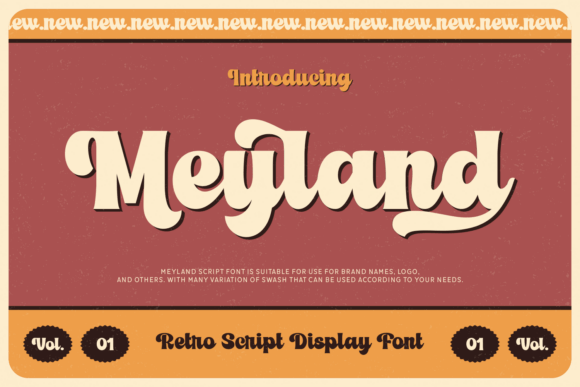
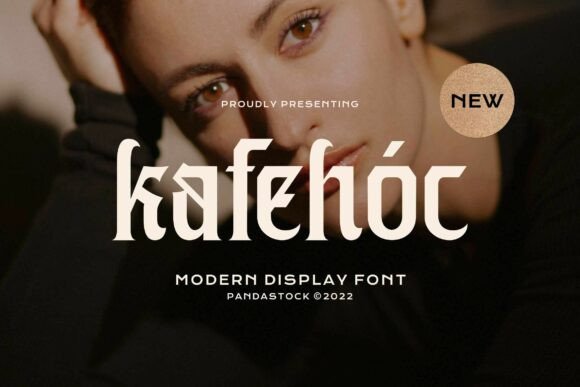
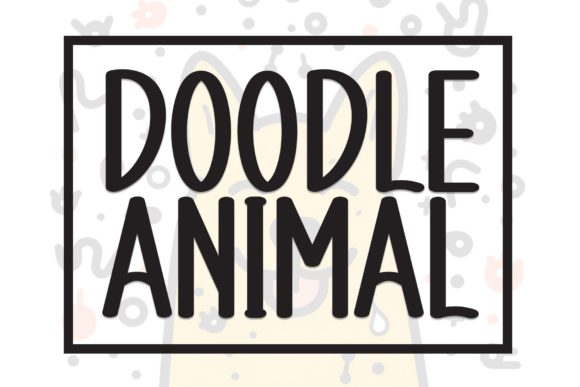
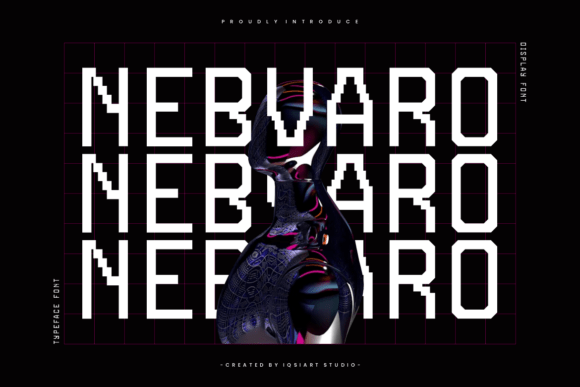
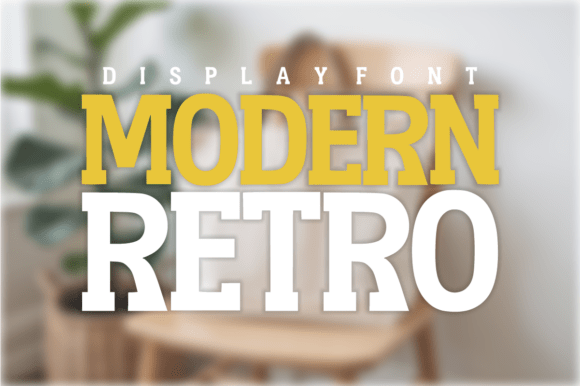
Modern Retro is a display font that merges the visual appeal of vintage typography with the clarity and structure of modern design. It features bold, well-defined letterforms that command attention without overwhelming a layout. This font draws inspiration from editorial and magazine typography of the 1970s and 1990s, incorporating clean lines and sharp edges that make it suitable for both digital and print applications.
Why Consider Modern Retro?
Designers often seek fonts that communicate both personality and professionalism. Modern Retro attempts to bridge that gap by offering a strong visual presence rooted in nostalgia but refined for contemporary use. It may appeal to those looking to evoke a sense of timelessness or confidence in their work, especially in branding, editorial, or product-focused designs.
Key Benefits of Modern Retro
- High Legibility: The bold structure ensures readability even at a distance, making it suitable for headlines and signage.
- Clean Design: Crisp lines and spacing make it adaptable for cutting machines like Cricut and Silhouette, which is especially useful for crafters and apparel designers.
- Versatile Aesthetic: Despite its retro roots, the font integrates well across various themes, from urban streetwear to more elegant, vintage-inspired layouts.
Practical Use Cases
Modern Retro excels in scenarios where visual impact is a priority. Below are some of the most fitting applications:
Branding and Logos
For businesses aiming to establish a strong, memorable identity, Modern Retro can serve as a central element in logo design. Its bold presence communicates confidence and clarity, which can be especially effective for brands in lifestyle, fashion, or creative industries.
Editorial and Magazine Headlines
Given its roots in 70s and 90s editorial design, this font works well for print and digital headlines. It adds character without compromising readability, making it ideal for feature articles, blog headers, and editorial covers.
Apparel and Merchandise Design
The font’s clean outlines make it well-suited for use with cutting machines and sublimation printing. It’s a practical option for t-shirt designs, patches, and other merchandise where clarity and boldness are important.
Social Media Visuals
On platforms like Instagram and Pinterest, aesthetics play a significant role in engagement. Modern Retro can elevate the look of quote graphics, promotional posts, and brand visuals, offering a polished yet nostalgic touch.
Posters and Event Flyers
Whether promoting a retro-themed event or a modern product launch, this font can help create a strong visual hook. Its bold presence ensures that key messages stand out, especially in designs with minimal background elements.
When to Consider Alternatives
While Modern Retro has a strong visual identity, it may not be the best fit for every project. Consider these scenarios where alternatives could be more appropriate:
- Long-form Text: As a display font, Modern Retro is not optimized for extended body copy. It may become visually tiring or difficult to read in large blocks of text.
- Minimalist or Neutral Branding: If your design or brand requires a more understated or neutral tone, a simpler sans-serif or serif font might align better with your goals.
- High Contrast or Busy Backgrounds: Due to its bold nature, the font can get lost or compete with complex backgrounds. In such cases, a lighter or more minimalist font may offer better contrast and readability.
Design Considerations and Tradeoffs
Like any design choice, using Modern Retro involves balancing aesthetics with functionality. Here are a few practical insights to keep in mind:
- Pairing with Other Fonts: To maintain visual harmony, pair Modern Retro with simpler, complementary fonts for body text or secondary information. Sans-serif fonts with clean lines often work well alongside it.
- Color and Contrast: Use high-contrast color combinations to ensure legibility. Black on white or bold colors on neutral backgrounds tend to yield the best results.
- Spacing and Layout: Give the font room to breathe. Overcrowding can diminish its impact and reduce readability, especially in printed or physical media.
Setting Realistic Expectations
Modern Retro is best viewed as a specialty font rather than an all-purpose solution. It performs exceptionally well in short, impactful text such as headlines, logos, and promotional content. However, users should not expect it to function like a traditional body font. Understanding its intended use and limitations will help ensure more effective design outcomes.
Final Thoughts: Is Modern Retro Right for You?
Deciding whether to use Modern Retro depends on your specific design goals and context. If you're aiming for a bold, confident look that blends retro charm with modern clarity, this font is worth considering. It’s particularly well-suited for branding, print headlines, and merchandise where visual impact matters.
However, if your project requires a more subdued or versatile font that works across a wide range of applications—including long-form text—exploring alternative fonts may be a better investment. As with any design element, the key is to match the font to the message, ensuring it supports both aesthetic and functional objectives.