Pink Donut: The Friendly Font Redefining Modern Design Aesthetics
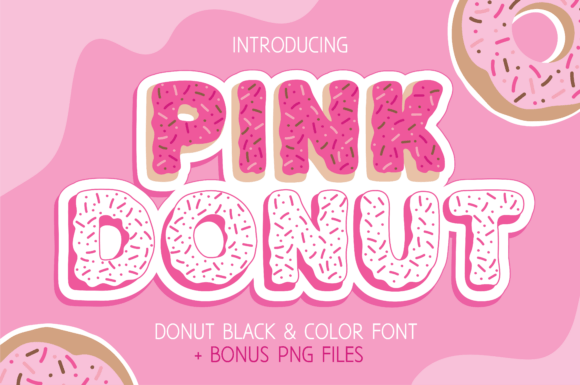
In a digital landscape where visual appeal often determines engagement, typography plays a pivotal role in capturing attention and conveying tone. Enter Pink Donut, a whimsical yet highly functional display font that blends childlike charm with modern readability. Designed to evoke warmth and approachability, this font has quietly become a favorite among designers, marketers, and creatives looking to infuse personality into their work without sacrificing clarity.
What Makes Pink Donut Stand Out?
Pink Donut is not just another playful typeface; it’s a carefully crafted font that balances simplicity and expressiveness. With its rounded edges, open spacing, and gentle curves, it reads effortlessly on both digital screens and printed materials. Unlike many decorative fonts that sacrifice legibility for style, Pink Donut maintains a clean structure that ensures readability even at smaller sizes. This makes it especially useful for projects that require both charm and clarity.
Its design philosophy centers around friendliness and accessibility, making it ideal for audiences who respond positively to warmth and sincerity. Whether used in a branding project, a presentation, or a handmade card, Pink Donut delivers a tone that feels inclusive and inviting.
Why Friendly Typography Matters Today
In an era where digital fatigue is real and attention spans are short, brands and creators are increasingly turning to design elements that feel human and approachable. Typography, once a background consideration, now plays a central role in shaping user experience and emotional connection. Fonts like Pink Donut are part of a broader trend toward softer, more personable design choices that resonate with audiences on a subconscious level.
This shift aligns with changing consumer expectations. People are gravitating toward brands and content that feel authentic, empathetic, and relatable. In this context, the use of a font like Pink Donut isn’t just aesthetic—it’s strategic. It helps creators communicate warmth without being overly sentimental, and professionalism without feeling cold or corporate.
Practical Applications Across Industries
One of the most compelling aspects of Pink Donut is its versatility. While it carries a playful tone, it adapts surprisingly well to a range of professional and creative applications:
- Branding and Marketing: Startups, lifestyle brands, and service providers targeting younger audiences or families can use Pink Donut to project a friendly, trustworthy image.
- Education and E-Learning: Teachers and course creators can enhance engagement by using the font in slides, handouts, and digital content to make learning feel less formal and more inviting.
- Crafts and DIY Projects: From custom labels to handmade cards, the font’s charm shines in physical creations that benefit from a personal touch.
- Presentations and Infographics: When the goal is to simplify complex ideas or make data more digestible, Pink Donut offers a refreshing alternative to traditional sans-serif fonts.
Designers who once relied solely on serious, minimalist typefaces are now incorporating Pink Donut as a secondary font to add contrast and emotional depth. This trend is especially noticeable in social media templates, mobile app interfaces, and branded content that aims to stand out without overwhelming the viewer.
How Pink Donut Fits Into Modern Design Trends
The rise of Pink Donut mirrors a broader movement in design known as “soft tech” or “human-centered design.” These approaches emphasize warmth, simplicity, and emotional resonance—qualities that are becoming increasingly important in a world dominated by screens and algorithms. As users seek more human experiences online, design elements like this font help bridge the gap between technology and emotion.
Additionally, with the growing popularity of remote work and digital collaboration, creators are using more expressive tools to maintain engagement and connection. In this context, a font like Pink Donut becomes more than just a design choice—it becomes a tool for communication and relationship-building.
Choosing the Right Context for Pink Donut
While Pink Donut is versatile, it’s best suited for contexts where a casual, welcoming tone is appropriate. It may not be the best fit for formal legal documents or high-tech branding, but in areas like wellness, education, children’s products, and creative services, it excels.
Here are a few practical tips for using Pink Donut effectively:
- Pair It Thoughtfully: Combine it with a clean sans-serif or serif font to create visual balance and hierarchy.
- Use It for Highlights: Reserve it for headlines, callouts, or short blocks of text rather than long paragraphs.
- Consider Color: Soft pastels or warm neutrals enhance its friendly vibe, while bold colors can make it pop in more energetic designs.
Looking Ahead: The Future of Playful Typography
As design continues to evolve, we’re likely to see more fonts like Pink Donut gaining traction—not just for their aesthetic appeal, but for their ability to communicate tone and emotion effectively. The growing emphasis on user experience and emotional design means that typography will play an even bigger role in shaping how audiences feel about content and brands.
Designers and marketers who recognize this shift early can use fonts like Pink Donut to differentiate their work and connect more authentically with their audiences. In a world that often feels fast-paced and impersonal, small design choices can have a big emotional impact.
Final Thoughts
Pink Donut may have started as a niche font for crafters and illustrators, but its appeal has grown far beyond that. In today’s design landscape, it represents a broader movement toward warmth, personality, and human connection. Whether you’re a professional designer, a small business owner, or someone who simply enjoys creating, Pink Donut offers a simple yet powerful way to make your message feel more approachable and engaging.