The Grind Font: Embracing Raw Typography in Modern Design
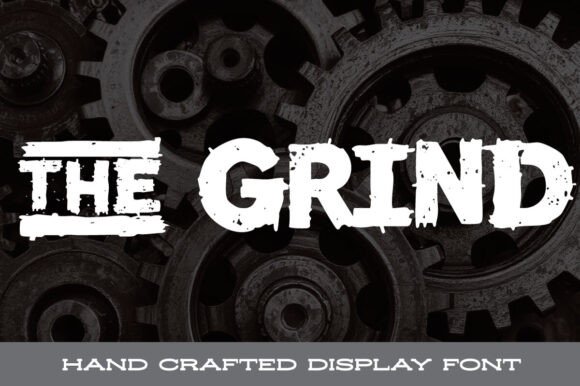
Typography plays a crucial role in shaping visual communication, and with the rise of expressive fonts, designers are increasingly leaning toward styles that evoke emotion and personality. One such standout is The Grind, a bold, distressed font that radiates raw energy and grit. Its imperfect edges and textured appearance give it a weathered, industrial feel, making it a go-to choice for designers aiming to create a strong visual impact.
Unlike sleek, polished typefaces that dominate minimalist design, The Grind thrives in the realm of imperfection. Its rugged aesthetic is not a flaw but a deliberate design choice that conveys strength and authenticity. This makes it especially effective in branding and visual storytelling where a sense of resilience and tenacity is key.
What Makes The Grind Unique?
The most defining feature of The Grind is its distressed texture. Each letter appears as though it's been shaped by years of relentless pressure, with chipped edges and uneven strokes that add to its character. This level of detail is what sets it apart from other bold fonts that may lack the same sense of history and wear.
- Imperfect edges – Slight inconsistencies give it a handmade, tactile quality.
- Textured surfaces – Subtle background noise and surface imperfections enhance its worn look.
- High contrast – Thick and thin strokes create a dramatic visual rhythm.
These elements combine to create a font that feels both vintage and modern at once. Whether used in print or digital media, The Grind commands attention without being overbearing, striking a balance between legibility and stylistic flair.
Where The Grind Shines: Use Cases and Applications
Designers often turn to The Grind when they need to convey a message with attitude. Its industrial aesthetic makes it ideal for projects that benefit from a tough, no-nonsense tone. Here are some of the most effective applications:
- Posters and flyers – Especially in music, street art, and underground culture, where a raw visual language is key.
- Logos and branding – For companies that want to project strength, durability, or rebellion.
- Editorial design – Used sparingly in magazine layouts or book covers to highlight a theme of resilience or transformation.
- Product packaging – Adds a sense of authenticity to niche products like craft beer, handmade goods, or vintage apparel.
One of the advantages of The Grind is its versatility. While it’s bold and expressive, it can be used effectively in a variety of color schemes and layouts. Whether set against a stark white background or layered over grunge textures, it maintains its visual punch without overwhelming the design.
Integrating The Grind into Modern Workflows
In today’s fast-paced design environment, typography must be both expressive and efficient. The Grind fits seamlessly into modern workflows thanks to its compatibility with major design software like Adobe Photoshop, Illustrator, and Figma. Most versions of the font also include web-optimized formats, making it suitable for responsive web design and digital branding.
When integrating The Grind into a project, it’s important to consider how it interacts with other design elements. Because of its strong presence, it works best when paired with clean, minimal layouts. For example:
- Use it for headlines or titles, not for body text.
- Pair it with sans-serif fonts like Helvetica or Montserrat for a balanced contrast.
- Limit its use to one or two lines to avoid visual fatigue.
Many designers also take advantage of layering effects in software like Photoshop to enhance the font’s texture. Adding a subtle shadow or overlaying a grunge texture can amplify its worn look without compromising readability.
Why The Grind Resonates in Today’s Design Landscape
In a world where digital perfection is the norm, there’s a growing appreciation for imperfection and authenticity. The Grind taps into this sentiment by offering a font that feels real, lived-in, and emotionally charged. It’s no surprise that it’s become a favorite among designers working in grunge, urban, and vintage styles.
Its appeal also lies in its ability to evoke a sense of narrative. A headline set in The Grind doesn’t just deliver a message—it tells a story of struggle, endurance, and triumph. This emotional resonance is particularly valuable in branding and marketing, where storytelling can be a powerful tool.
Moreover, as more brands seek to differentiate themselves in crowded markets, distinctive typography like The Grind offers a way to stand out. It allows for a bold visual identity that communicates strength and individuality without needing elaborate graphics or complex layouts.
Choosing The Grind: What to Consider
While The Grind brings a lot to the table, it’s not a one-size-fits-all solution. Before incorporating it into your design, consider the following factors:
- Target audience – Does your audience respond to edgy, unconventional design? If you're targeting a corporate or formal demographic, this font may not be the best fit.
- Readability – Due to its distressed nature, it's best used for short text such as headlines or logos rather than long-form content.
- Color contrast – Ensure sufficient contrast between the font and background to maintain legibility, especially in printed materials.
- Licensing – Always verify the usage rights, especially for commercial projects or web deployment.
By weighing these considerations, you can ensure that The Grind enhances your design rather than hinders it. When used thoughtfully, it becomes more than just a font—it becomes a statement.
Final Thoughts on The Grind
In the evolving world of design, typography is more than just a tool for communication—it’s a form of expression. The Grind stands out as a font that captures the spirit of resilience, imperfection, and authenticity. Whether you're crafting a bold poster, designing a gritty brand identity, or adding character to a digital layout, this font delivers an unapologetic visual punch.
For designers looking to inject raw energy into their work, The Grind is more than just a stylistic choice—it's a reflection of the stories we tell through design. In a world that often values polish over personality, this font reminds us that sometimes, the most powerful messages come from the cracks, the edges, and the wear of experience.