Venola: A Refined Font for Distinctive Branding
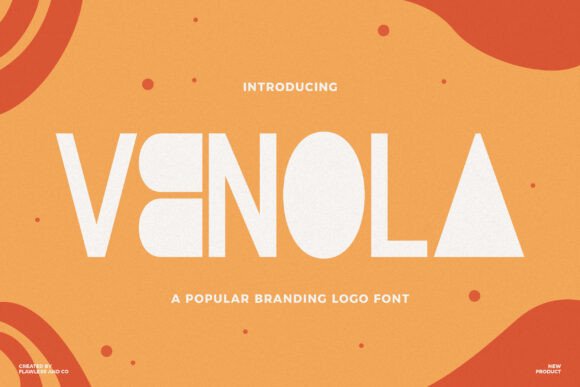
Venola stands out as a carefully designed typeface that merges elegance with adaptability. It's not just another font—it's a visual tool for creating memorable brand identities. With its smooth curves, crisp lines, and balanced proportions, Venola exudes a quiet confidence that works well across a variety of design contexts. Whether you're crafting a logo, designing packaging, or building a visual presence on social media, Venola brings a touch of sophistication without overwhelming the message.
What Makes Venola Visually Unique?
At first glance, Venola strikes a balance between modern minimalism and classic refinement. It leans into clean, open shapes that feel inviting yet polished. The subtle contrast in stroke weight adds depth without sacrificing legibility. Unlike overly ornate scripts or stark sans serifs, Venola finds a middle ground—offering a sense of exclusivity without feeling rigid. Its letterforms are carefully spaced to maintain clarity, even at smaller sizes, making it more functional than many display fonts that sacrifice readability for style.
The font’s personality is best described as understated luxury. It doesn't shout for attention but instead earns it through thoughtful design. This makes it especially appealing for brands that want to communicate quality and elegance without appearing overly formal or outdated.
Where Venola Shines in Design Projects
Venola excels in branding applications where visual impact and consistency matter most. Fashion labels, beauty brands, and lifestyle businesses often find it to be a strong choice for logotypes. Its clean structure holds up well when scaled down for business cards or embroidered onto fabric, while still looking refined on large-format prints like posters or packaging.
- Logo design: Ideal for logotypes that need to feel both modern and trustworthy.
- Packaging design: Works well on product labels, boxes, and inserts where clarity and aesthetic appeal are key.
- Social media graphics: Its clean lines and balanced spacing help text stand out in busy feeds without looking cluttered.
- Editorial design: Can be used effectively in headlines and pull quotes in magazines or digital publications.
While Venola is primarily a display font, it maintains enough legibility to be used in subheadings or short text blocks. However, it’s best reserved for visual impact rather than long-form body copy, where more traditional serif or sans serif fonts might be more appropriate.
How Venola Influences Brand Perception
Typeface choice plays a subtle yet powerful role in shaping how audiences perceive a brand. Venola’s design language communicates professionalism, attention to detail, and a sense of curated taste. When used consistently across brand touchpoints—from websites to printed materials—it helps reinforce a cohesive identity that feels intentional and well-crafted.
Its minimal yet elegant structure supports a clean visual hierarchy, making it easier to guide viewers through a design. Whether used in a logo or a product tagline, Venola enhances readability by maintaining clear letter spacing and avoiding excessive decoration. This contributes to a more professional and approachable brand image, especially when paired with complementary design elements.
Choosing Venola: Practical Considerations
Before integrating Venola into your design workflow, it’s important to evaluate how well it aligns with your project’s tone and technical needs. Here are a few practical steps to help you make an informed decision:
- Review the available styles: Check if the font includes multiple weights (light, regular, bold) and variations (italic, condensed) to ensure flexibility.
- Test readability: Use it in different sizes and backgrounds to see how it performs in real-world conditions.
- Consider font pairing: Look for complementary fonts that work well with Venola in multi-typeface layouts. A clean sans serif or a classic serif can provide a nice contrast.
- Check licensing: Make sure the font is available under a commercial license if you're using it for client work or branded products.
Many designers find it helpful to create mockups using Venola before committing to it in a full project. Testing it in different contexts—such as on a website header, printed brochure, or Instagram story—can reveal how adaptable and effective it truly is.
Design Tips for Using Venola Effectively
To get the most out of Venola, consider these design strategies:
- Use it in combination with ample white space to enhance its clean aesthetic.
- Pair it with a more neutral font for body text to maintain readability while keeping the design visually balanced.
- Experiment with color contrasts—Venola works well in both light-on-dark and dark-on-light applications.
- Avoid over-styling the font with effects like heavy shadows or outlines, which can detract from its elegant simplicity.
One real-world example of effective use is in a skincare brand’s packaging, where Venola was used for the product name alongside a simple sans serif for ingredient descriptions. The result was a clean, upscale look that felt both modern and trustworthy.
Final Thoughts on Venola as a Design Asset
Venola is more than just a pretty typeface—it's a strategic design choice for creatives and brands looking to communicate elegance and professionalism. Its versatility makes it a strong contender for both digital and print projects, especially in industries that value a refined aesthetic. When used thoughtfully, it enhances brand recognition and elevates the overall design without overshadowing the content it supports.
Whether you're a designer building a brand identity, a marketer crafting visual assets, or a small business owner refining your look, Venola offers a reliable way to bring a touch of sophistication to your work. Like any design element, its effectiveness comes from how it's applied—so take the time to test, pair, and present it in ways that align with your brand’s voice and goals.