Crafty Alphabet: Strategic Design Choices for Impactful Visual Communication
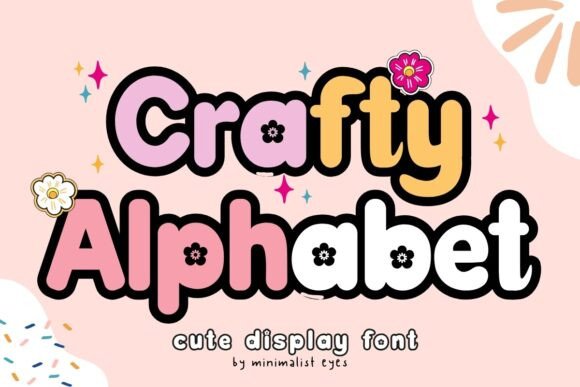
In the evolving landscape of visual communication, typography plays a critical role in shaping perception, tone, and engagement. Crafty Alphabet emerges as a distinctive display font that offers more than just aesthetic appeal—it serves as a strategic tool for creators aiming to differentiate their work. With its bold, playful structure and unmistakable character, this font is particularly well-suited for projects that demand attention without sacrificing clarity.
Unlike standard typefaces that blend into the background, Crafty Alphabet commands presence. Its quirky yet intentional design allows it to function as a visual anchor, making it ideal for branding elements, promotional materials, and creative layouts where personality and memorability are key. The decision to incorporate such a unique font should be grounded in a broader communication strategy, ensuring it aligns with the intended message and audience expectations.
Why Typography Strategy Matters
Typography is more than a stylistic choice—it’s a functional element of design that influences readability, emotional response, and brand identity. When used thoughtfully, Crafty Alphabet can reinforce a brand’s tone, especially for businesses or creators aiming to project creativity, innovation, or approachability.
Consider the context in which a display font like Crafty Alphabet is applied. It excels in headlines, logos, and visual hooks where brevity allows its character to shine without overwhelming the viewer. However, it should be approached with the same level of intentionality as any other brand asset. A mismatch between typographic style and brand voice can dilute messaging or confuse audiences, especially in professional or formal settings.
Planning Your Use of Crafty Alphabet
Before integrating Crafty Alphabet into your design workflow, consider the following strategic questions:
- What is the primary purpose of the design—branding, promotion, information delivery?
- Who is the target audience, and how might they interpret this typographic style?
- Does the font complement or conflict with existing visual assets?
- Is the font scalable and legible across different mediums and sizes?
These considerations help ensure that Crafty Alphabet enhances rather than detracts from your visual communication goals. It’s particularly effective when used sparingly and paired with more neutral typefaces that provide balance and readability in body text or secondary messaging.
Use Cases Where Crafty Alphabet Adds Value
Crafty Alphabet shines in creative industries where visual distinction is a competitive advantage. Here are several practical applications where this font can elevate your design strategy:
- Branding for Creative Businesses: Startups, design studios, and boutique brands can use Crafty Alphabet in logos or brand signatures to convey innovation and personality.
- Promotional Graphics: Social media posts, event flyers, and digital banners benefit from the font’s eye-catching nature, especially when targeting younger or design-conscious audiences.
- Editorial Design: In magazines, blogs, or newsletters, Crafty Alphabet can serve as a dynamic headline font that breaks the monotony of standard layouts.
- Product Packaging: For consumer goods with a playful or artisanal positioning, this font can enhance shelf appeal and brand recognition.
In each of these scenarios, the font’s effectiveness depends on its alignment with the brand’s strategic direction and the audience’s expectations. Used correctly, it becomes a memorable component of the visual identity rather than a fleeting stylistic flourish.
Strategic Pairing and Layout Considerations
Typography works best when there’s a clear hierarchy and contrast between elements. To maximize the impact of Crafty Alphabet, pair it with clean, legible sans-serif or serif fonts that provide a visual counterbalance. This contrast ensures that the design remains both engaging and functional.
For example, using Crafty Alphabet for a headline followed by a simple sans-serif like Open Sans or Lato for body text creates a dynamic yet readable layout. Additionally, consider spacing, color contrast, and placement to ensure the font contributes to the overall user experience rather than disrupting it.
Potential Risks of Misaligned Typography
While Crafty Alphabet offers a compelling visual identity, it also carries risks when used without strategic intent. Overuse or inappropriate application can lead to:
- Reduced readability, especially in long-form or dense content
- Brand inconsistency if the font doesn’t align with the brand’s tone or audience
- Visual fatigue or distraction from core messaging
- Difficulty in scaling across different platforms or print formats
These risks highlight the importance of treating typography as a strategic asset rather than an afterthought. The goal should always be to support the message, not overshadow it.
Long-Term Value Through Intentional Design
Typography contributes to long-term brand equity when applied with consistency and purpose. Incorporating Crafty Alphabet into your visual identity requires a commitment to thoughtful design planning. Establish clear guidelines for its use—specifying appropriate sizes, weights, color combinations, and usage contexts.
Doing so ensures that your creative choices contribute to a cohesive brand experience over time. As your brand evolves, revisit your typographic strategy to confirm it continues to serve your goals effectively. This iterative approach helps maintain relevance and visual clarity in a constantly shifting design landscape.
Conclusion: Typography as a Strategic Tool
Crafty Alphabet is more than a font—it’s a strategic design element that, when used intentionally, can elevate your creative projects and strengthen brand identity. Its playful boldness makes it a standout choice for those looking to inject personality into their visual communication without compromising on impact.
Ultimately, the value of Crafty Alphabet lies in how it’s applied. By aligning its use with your brand’s goals, audience, and overall design strategy, you ensure that your typographic choices contribute meaningfully to your creative and business outcomes.