Rumei House: A Psychedelic Typeface for Modern Design Projects
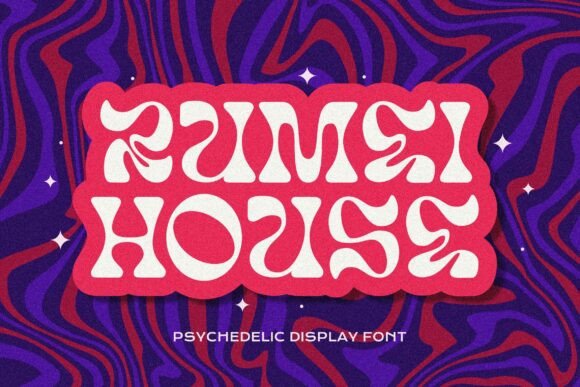
Retro design trends continue to shape contemporary visual communication, and Rumei House stands out as a compelling typographic choice for designers seeking to infuse their work with a distinct 1960s psychedelic flair. This display font blends the ornate elegance of Art Nouveau with the bold, experimental spirit of the 1960s, making it an ideal asset for branding, editorial design, and digital marketing. Whether used in logo design or social media graphics, Rumei House delivers a whimsical, warpy aesthetic that evokes a sense of nostalgia without compromising modern usability.
Design Characteristics and Visual Impact
At its core, Rumei House is a psychedelic display font that supports both uppercase and lowercase characters, offering flexibility for a wide range of creative applications. Its flowing curves and intricate details reflect the influence of Art Nouveau, while the wavy, slightly distorted letterforms channel the experimental energy of the 1960s counterculture. This combination makes it a powerful tool for designers aiming to create standout visuals in branding, packaging design, or advertising campaigns.
Why Typography Matters in Brand Identity
Typography plays a crucial role in shaping brand identity. The right font can communicate personality, evoke emotion, and establish a visual hierarchy that guides the viewer's attention. Rumei House, with its retro psychedelic style, is particularly effective for brands that want to project creativity, individuality, and a vintage-inspired aesthetic. When integrated thoughtfully into a brand’s visual design system, it can reinforce brand recognition and create a cohesive look across digital and print media.
Practical Applications Across Creative Projects
- Logo design: Use Rumei House for vintage-inspired brand logos that stand out in saturated markets.
- Marketing materials: Ideal for trippy band posters, event invitations, and promotional flyers.
- Social media graphics: Enhances visual storytelling on platforms like Instagram and Pinterest where aesthetics drive engagement.
- Packaging design: Adds a nostalgic touch to product labels, beverage cans, and limited-edition merchandise.
- Editorial layouts: Works well in magazine covers, book titles, and alternative press designs that require a unique typographic voice.
Integrating Rumei House into Web and UI Design
In web design and UI development, typography must balance visual appeal with readability. While Rumei House is best suited for headings and display use, it can be paired with clean sans-serif fonts to maintain visual hierarchy and user experience. For digital products or landing pages aiming for a retro-modern aesthetic, this font can help create a memorable visual identity that aligns with the brand’s personality and target audience.
Design Workflow and Best Practices
When incorporating Rumei House into a design workflow, consider the following tips for optimal results:
- Pair with complementary fonts: Combine with minimalist typography to avoid visual clutter and maintain readability.
- Use strategic color palettes: Earthy tones, neon accents, and muted pastels enhance the psychedelic vibe.
- Test for scalability: Ensure legibility across different screen sizes, especially in digital marketing and mobile UI design.
- Align with brand guidelines: Maintain consistency in tone and style when integrating into existing brand systems.
By applying these principles, designers can ensure that Rumei House enhances rather than overwhelms the overall design. Its versatility makes it a valuable addition to any creative toolkit, especially for projects that aim to blend retro inspiration with modern aesthetics.