Childhood Memory: A Playful Font for Creative Projects
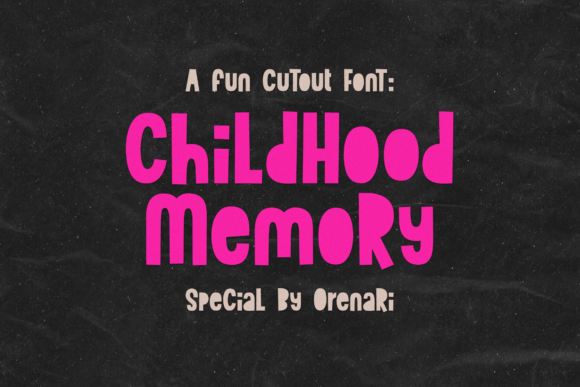
Designing with personality and charm can elevate your creative work, especially when you're aiming to connect with younger audiences or evoke a sense of nostalgia. The Childhood Memory font offers a unique blend of whimsy and professionalism, making it a versatile choice for a wide range of design applications. Whether you're crafting a birthday invitation, designing educational materials, or developing a brand identity for a children's product, this playful cutout-style font can bring a joyful and handmade feel to your project.
Why Font Choice Matters in Design
The typography you choose influences how your message is received. Fonts carry emotional weight and visual character, and selecting the right one can make your design more engaging and effective. Childhood Memory stands out for its quirky shapes and bold personality, making it ideal for projects that need to feel approachable, fun, and imaginative. Unlike generic sans-serif fonts, this typeface adds a layer of storytelling to your text, drawing viewers in with its nostalgic charm.
How Childhood Memory Enhances Visual Communication
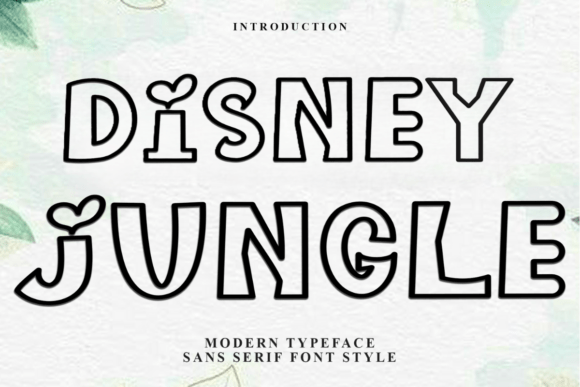
Typography is more than just readable text—it's a design element that contributes to the overall mood and message. The cutout style and irregular shapes in Childhood Memory mimic the look of handcrafted paper letters, giving your work a tactile, personal quality. This effect can be especially useful when designing for children or when aiming to create a warm, inviting tone. Whether used in print or digital formats, the font adds a sense of spontaneity and creativity that resonates with audiences of all ages.
Practical Uses for Childhood Memory Font
This font shines in a variety of creative contexts. Here are some common applications where Childhood Memory can make a meaningful impact:
- Party invitations: From birthday cards to baby showers, this font adds a festive and friendly tone.
- Children’s books and educational materials: The playful design helps maintain a young reader’s attention while supporting literacy through visual engagement.
- Branding for kid-focused businesses: Toy stores, daycare centers, and children’s clothing brands can use the font to reflect a joyful and imaginative brand personality.
- Game design: Board games, card games, and digital games aimed at younger audiences benefit from the font’s lively appearance.
- Craft and DIY projects: Scrapbooks, greeting cards, and handmade gift tags gain a personal touch with this expressive typeface.
Time-Saving Design with PUA Encoding
One of the standout features of Childhood Memory is its PUA encoding, which simplifies access to alternate characters, swashes, and special glyphs. This means you can easily customize your text without needing advanced design software or complex workflows. For designers working on tight deadlines or non-designers creating social media graphics or personal projects, this level of accessibility can significantly reduce the time needed to achieve polished, professional results.
Who Benefits Most from This Font?
While Childhood Memory is particularly well-suited for projects aimed at children, it also appeals to creatives who want to inject a sense of nostalgia and playfulness into their work. The following professionals and hobbyists may find it especially useful:
- Graphic designers: Especially those working on children’s media, event promotions, or branding for lifestyle and craft businesses.
- Teachers and educators: For creating engaging classroom materials, flashcards, and activity sheets.
- Entrepreneurs and small business owners: Those launching kid-friendly products or services can use the font to build a distinctive and approachable brand voice.
- Blogger and content creators: Ideal for crafting visually appealing blog graphics, social media posts, or downloadable resources for young audiences.
- Hobbyists and crafters: Perfect for personal projects like handmade cards, scrapbooks, and party decorations.
Matching the Font to Your Project Goals
While Childhood Memory brings a lot of creative potential, it’s important to consider whether it aligns with your design goals. Because of its playful and informal style, it may not be the best fit for formal documents, corporate branding, or academic publications. However, when your goal is to communicate warmth, creativity, or youthful energy, this font can be a powerful tool.
For best results, pair it with clean, minimalist layouts or contrasting fonts that balance its bold character. For example, using Childhood Memory for headlines and a simple sans-serif for body text ensures readability while maintaining visual interest. Additionally, because of its cutout design, it works best at larger sizes where the details are most visible and legible.
Supporting Creativity Without Compromising Quality
Design tools and fonts should empower creativity, not limit it. Childhood Memory supports this principle by offering flexibility, ease of use, and a distinct visual style. Whether you're working on a personal project or a client deliverable, the font gives you the ability to express ideas in a way that feels fresh and authentic. Its handmade charm helps differentiate your work from mass-produced designs, giving your projects a more personal and thoughtful touch.
Final Thoughts on Using Childhood Memory
Incorporating Childhood Memory into your design toolkit can open up new creative possibilities while enhancing the emotional impact of your work. It’s a font that speaks to the inner child in all of us—inviting playfulness, sparking joy, and encouraging imagination. Whether you're designing for kids or simply want to bring a sense of lightheartedness to your visuals, this typeface offers a unique and valuable aesthetic that stands out in a crowded design landscape.
As with any design element, the key is to use it thoughtfully. Consider your audience, your message, and the overall tone you want to convey. When used appropriately, Childhood Memory isn't just a font—it's a storytelling tool that makes your work more expressive, memorable, and emotionally resonant.