Chinese Hiragana: The Playful Typeface Redefining Creative Branding
Typography has always played a crucial role in visual communication, but in today’s fast-evolving creative and business landscape, the choice of font can significantly influence brand perception and audience engagement. One typeface that’s gaining traction among designers, marketers, and entrepreneurs is Chinese Hiragana. More than just a font, it embodies a fresh, casual aesthetic that resonates with modern audiences seeking authenticity, warmth, and approachability.
Understanding Chinese Hiragana
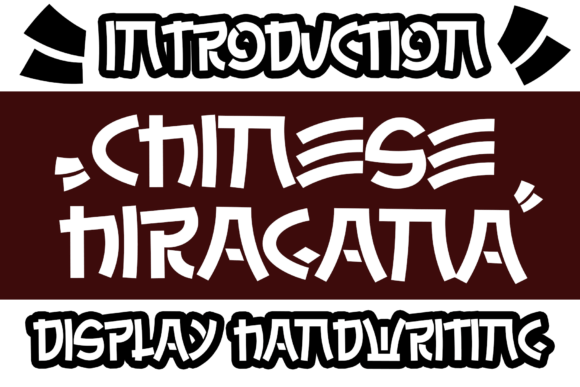
At first glance, Chinese Hiragana might seem like a blend of East Asian script and Western design sensibilities. However, it is not a traditional writing system but rather a stylized typeface inspired by the soft curves and flowing nature of Japanese hiragana characters. The design integrates the simplicity of hiragana with the legibility and structure of modern sans-serif fonts, resulting in a clean, approachable, and highly readable display font.
What sets Chinese Hiragana apart is its ability to convey a sense of fun and relaxation without sacrificing professionalism. Its rounded edges and open spacing give it a friendly demeanor, making it ideal for branding that aims to feel accessible yet polished. It’s commonly used in digital and print media where a casual yet creative tone is desired.
Why Chinese Hiragana is Gaining Popularity
In a world where digital fatigue is real and attention spans are shrinking, brands are increasingly leaning toward visual elements that feel human, warm, and inviting. The rise of minimalism and soft design aesthetics has created a demand for typography that supports these values. Enter Chinese Hiragana — a font that strikes a balance between professionalism and playfulness.
- Emotional resonance: In branding and marketing, emotional connection is key. Chinese Hiragana’s soft curves and casual structure evoke feelings of relaxation and joy, making brands feel more relatable.
- Adaptability: Whether used in a summer poster, a mobile app interface, or a product label, this font adapts well to various contexts without losing its charm.
- Visual differentiation: As more brands move toward minimalist design, standing out visually becomes a challenge. Chinese Hiragana offers a unique visual identity that helps brands cut through the noise.
Aligning with Modern Design and Consumer Trends
Chinese Hiragana aligns seamlessly with several contemporary trends shaping the creative and business worlds today:
- Human-Centered Design: As user experience becomes a top priority, designers are shifting toward more approachable, emotionally resonant interfaces. Chinese Hiragana supports this by offering a warm, readable, and visually pleasing typographic choice.
- Playful Branding: Especially in lifestyle, wellness, and youth-oriented markets, playful and expressive branding is on the rise. This font supports that shift by allowing brands to maintain professionalism while embracing a more casual tone.
- Global Typography: With the increasing globalization of design, there’s a growing appreciation for fonts that bridge cultural aesthetics. Chinese Hiragana reflects this trend by blending Eastern and Western design elements in a way that feels fresh and modern.
Practical Applications Across Industries
From event marketing to digital product design, Chinese Hiragana has found its way into a variety of creative applications. Here are a few examples of how professionals are leveraging this versatile font:
1. Event Branding and Promotional Materials
Summer festivals, music events, and community gatherings often rely on vibrant, engaging visuals to attract attendees. Chinese Hiragana’s breezy, easygoing vibe makes it a popular choice for posters, flyers, and social media graphics. Its legibility at a glance ensures that key event details are communicated clearly while maintaining an energetic and welcoming tone.
2. Digital Product Interfaces
In the world of apps and websites, user experience hinges on readability and emotional engagement. Chinese Hiragana is increasingly being used in UI design for wellness apps, productivity tools, and lifestyle platforms where a calming and approachable tone enhances user interaction. Its soft lines and open spacing make it easy on the eyes, especially for younger or casual audiences.
3. Lifestyle and Wellness Branding
Brands in the wellness, beauty, and self-care industries are embracing a softer, more nurturing visual language. Chinese Hiragana complements this shift by offering a font that feels personal and trustworthy. Whether used in logo design, packaging, or digital content, it helps create a brand identity that feels both modern and comforting.
Meeting Evolving Creative and Business Needs
The rise of Chinese Hiragana is not just a passing design trend — it reflects deeper shifts in how professionals approach branding, communication, and user engagement. As businesses and creators strive to build more meaningful connections with their audiences, typography becomes a powerful tool in that effort.
Modern audiences are more design-savvy than ever before. They expect visual consistency, emotional authenticity, and a sense of personality from the brands they interact with. Chinese Hiragana supports these expectations by providing a typographic solution that feels both contemporary and emotionally resonant.
Moreover, as remote work and digital collaboration become the norm, creative workflows are evolving to prioritize efficiency, clarity, and flexibility. Fonts like Chinese Hiragana, which are easy to read across devices and formats, are becoming essential tools for designers, marketers, and content creators who need to maintain consistency across diverse platforms.
The Future of Chinese Hiragana in Design and Branding
Looking ahead, the continued popularity of Chinese Hiragana suggests that the future of typography will be shaped by a blend of cultural appreciation, emotional intelligence, and functional design. As brands seek to stand out in crowded markets, they will increasingly rely on typefaces that offer both visual distinction and emotional depth.
Designers and entrepreneurs who recognize the value of typography in shaping brand identity will find Chinese Hiragana to be a valuable asset. Whether used in a small business logo or a large-scale advertising campaign, it offers a unique combination of warmth, clarity, and versatility that aligns with the evolving expectations of modern audiences.
Conclusion
In an era where visual communication plays a central role in branding and marketing, typography is no longer just a design detail — it’s a strategic asset. Chinese Hiragana represents a shift toward more expressive, emotionally engaging, and culturally nuanced design practices. For professionals, creators, and entrepreneurs looking to connect with audiences in a meaningful way, this playful yet professional font offers a compelling solution.
As creative expectations continue to evolve, so too will the tools we use to meet them. Chinese Hiragana is not just a font of the moment — it’s a reflection of the broader trends shaping the future of design, branding, and digital communication.